Strong and safe roads are not created by institutions alone—they are built through the active participation of communities, road users, and local leaders. In Cameroon and across Africa, road safety challenges are deeply connected to daily behavior, awareness, and shared responsibility. When communities come together with a clear purpose, they become powerful agents of change in reducing road traffic accidents and saving lives.
Road safety is not only a technical issue; it is a social one. Every pedestrian, driver, cyclist, and passenger plays a role in shaping how safe our roads are. When awareness increases at the community level, risky behaviors such as speeding, reckless crossing, and ignoring traffic rules begin to decrease naturally.
Why Community Action Matters
Communities understand their own environments better than anyone else. They know where accidents frequently occur, how people behave on the roads, and what local challenges exist. This makes community involvement essential for creating practical and lasting road safety solutions.
When people are directly involved in road safety initiatives, they feel responsible for the outcomes. This sense of ownership leads to stronger participation, better compliance with safety rules, and long-term behavioral change.
Turning Awareness Into Action
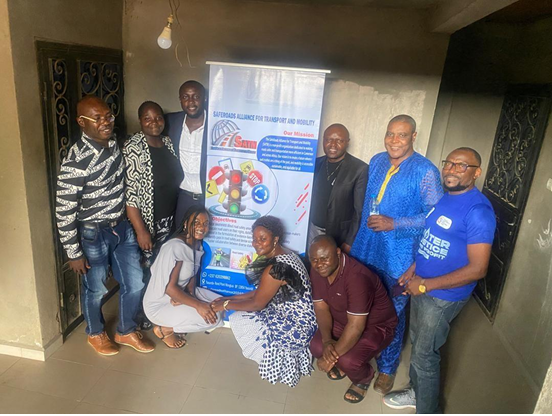
At SATM–Cameroon, we believe awareness alone is not enough. Communities must move from knowledge to action. This includes participating in road safety campaigns, supporting local education programs, and encouraging safe behavior among peers and family members.
Small actions such as respecting speed limits, using pedestrian crossings, and educating children about road safety can create a ripple effect that saves lives.
Sustainable Change Begins Locally
When solutions are designed with community input, they are more effective and sustainable. Instead of depending only on external interventions, communities become active partners in building safer roads for everyone.